
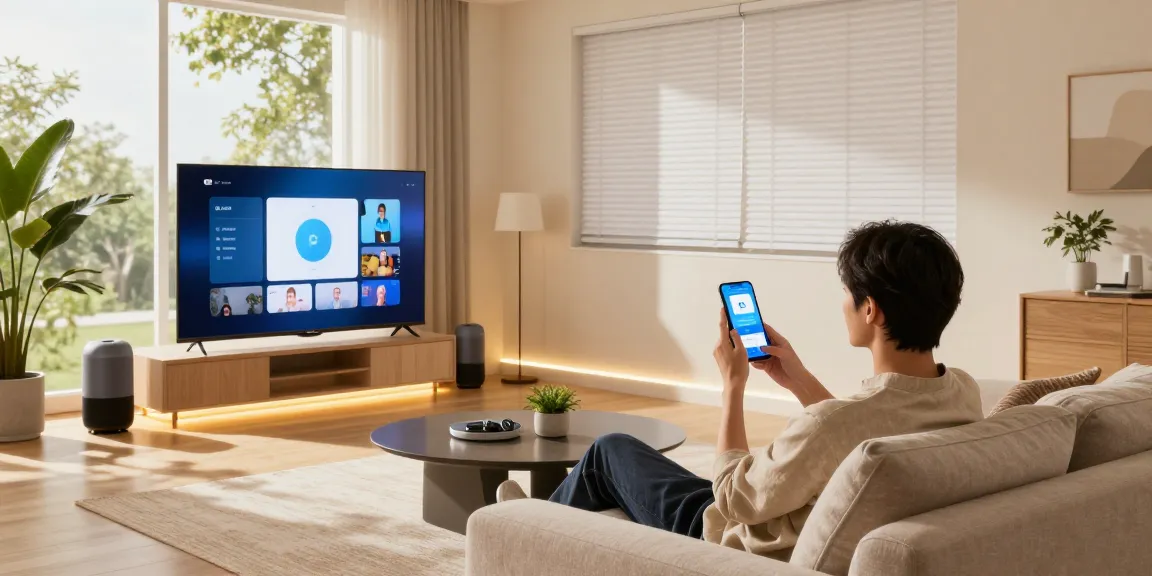
The Rise of Smart Homes in 2026
The concept of smart homes has transitioned from a futuristic dream to an everyday reality, and as we step into 2026, this trend shows no signs of slowing down. Today’s homes are increasingly being equipped with intelligent devices that offer convenience, security, and efficiency. As consumers seek enhanced living experiences, companies are responding with innovative solutions that cater to their needs. One company at the forefront of this evolution is IKEA, which has developed a range of products designed for the modern smart home. When exploring options, IKEA smart home products provide comprehensive insights into how to effectively create a connected environment.
Understanding the Smart Home Concept
A smart home is defined by its integration of technology and automation to enhance the living experience. This involves the use of smart devices such as lights, thermostats, security cameras, and appliances that can be controlled remotely via smartphones or voice assistants. The goal is to optimize convenience, improve energy efficiency, and increase security. Key aspects of a smart home include connectivity through Wi-Fi, the use of sensors and automation, and the ability for devices to communicate with one another, creating a seamless ecosystem.
Trends Driving the Smart Home Market
Several trends are pushing the smart home market forward in 2026:
- Increased Demand for Energy Efficiency: Homeowners are becoming more conscious of their energy consumption, leading to a rise in energy-efficient smart devices that reduce utility bills.
- Advancements in AI and Automation: Artificial intelligence capabilities are enabling devices to learn user preferences and improve automation, making smart homes more intuitive.
- Integration with Renewable Energy Sources: The adoption of solar panels and smart energy management systems is gaining traction, allowing homeowners to maximize their use of renewable energy.
- Security and Surveillance Solutions: With rising concerns about security, many consumers are investing in advanced security systems that can be monitored and controlled remotely.
Benefits of Integrating Smart Home Technology
The benefits of adopting smart home technology are numerous, including:
- Convenience: Smart devices can be programmed to operate on schedules or controlled remotely, streamlining everyday tasks.
- Enhanced Security: Smart cameras and alarm systems can provide real-time alerts and remote monitoring, enhancing home security.
- Energy Savings: Smart thermostats and lighting can optimize energy use, leading to lower utility bills.
- Improved Quality of Life: Smart home technology can assist those with disabilities or mobility challenges, enabling them to control their environment easily.
Key Features of the IKEA Smart Home Ecosystem
Smart Lighting Solutions
IKEA’s smart lighting products are designed to enhance ambiance and control energy use. With options such as customizable LED bulbs, users can adjust the brightness and color temperature to fit their needs. The TRÅDFRI line allows for easy integration with the IKEA Home Smart app, enabling remote control and automation of lights throughout the home.
Wi-Fi Speakers and Sound Systems
Audio solutions offered by IKEA provide robust sound experiences suitable for any environment. The SYMFONISK range includes smart speakers that can seamlessly connect to Wi-Fi and integrate with music streaming services. This allows users to enjoy high-quality sound throughout their home, whether they’re listening to music, podcasts, or audiobooks.
Automated Blinds and Home Security
IKEA’s automated blinds can be controlled via the Home Smart app, providing users with the ability to adjust their window coverings remotely. This feature enhances privacy and helps regulate indoor temperatures, ultimately contributing to energy savings. Additionally, IKEA offers security solutions that complement their smart ecosystem, such as door sensors and smart locks that enhance overall home safety.
How to Set Up Your IKEA Smart Home
Choosing the Right Products for Your Space
When planning to set up your IKEA smart home, it is essential to assess your needs and determine which devices will provide the most benefit. Consider factors such as room size, existing technology, and lifestyle preferences. Combining various smart devices can create a cohesive system that enhances your home’s functionality.
Installation Tips for DIY Enthusiasts
IKEA’s smart home products are designed with ease of installation in mind. Most devices can be set up without professional assistance, making it accessible for DIY enthusiasts. Be sure to follow the manufacturer’s instructions for installation and configuration and utilize online resources for additional assistance.
Connecting Your Devices via the IKEA Home Smart App
The IKEA Home Smart app is central to managing your smart home ecosystem. It allows users to control all connected devices from one platform easily. To set up the app, download it from the app store, create an account, and follow the on-screen prompts to add your IKEA smart products. Once connected, you can schedule routines, manage device settings, and create scenes to streamline your home’s operations.
Common Challenges and Solutions
Addressing Compatibility Issues with Existing Devices
In some cases, integrating IKEA smart devices with existing smart home systems may present compatibility challenges. To overcome this, check whether your devices are compatible with protocols such as Zigbee or Thread, which can help facilitate communication between different brands. Incompatible devices may require additional hardware or hubs to function effectively.
Overcoming Technical Problems in Smart Homes
Technical problems can arise with any smart home setup. Common issues include connectivity problems, device malfunctions, or app errors. In these cases, troubleshooting tips include rebooting devices, checking Wi-Fi connections, and consulting the IKEA support resources for solutions specific to their products.
Best Practices for Maintaining Your Smart Devices
Regular maintenance of smart devices is essential for ensuring long-term performance. Keep firmware and software updated, clean devices as needed, and ensure that they are securely connected to your home network. Regular maintenance can help prevent potential issues from arising and maintain a seamless smart home experience.
Future Innovations in Smart Home Technology
Emerging Trends for 2026 and Beyond
As the smart home market continues to evolve, several innovations are on the horizon. Advancements in artificial intelligence will likely lead to even greater automation capabilities, allowing devices to learn and adapt to user preferences more effectively. Additionally, developments in smart home cybersecurity will address growing concerns over data privacy and security.
Potential Collaborations with Other Tech Brands
Strategic partnerships between IKEA and other tech companies may enhance the functionality of its smart home products. Collaborating with established tech giants can lead to improved compatibility, expanded features, and comprehensive solutions that provide users with an integrated smart home experience.
Exploring More Sustainable Smart Home Solutions
The future of smart homes will also focus on sustainability. Innovations in energy-efficient devices and renewable energy management systems will continue to grow in importance. IKEA is poised to lead the way in creating sustainable smart home solutions that not only enhance convenience but also contribute to reducing environmental impact.
What are the advantages of IKEA’s DIRIGERA hub for smart home products?
The DIRIGERA hub centralized control for various IKEA smart home products, streamlining the way users interact with their devices. It supports multiple communication protocols, ensuring compatibility across a wide range of devices while also allowing for a seamless user experience through the Home Smart app.
How can IKEA smart home technology improve daily living?
IKEA smart home technology offers practical solutions that enhance daily living by automating routine tasks and improving convenience. From adjusting lighting and heating with ease to increased security measures, users can enjoy a more streamlined and efficient lifestyle.
Are IKEA’s smart home devices compatible with other ecosystems?
Yes, IKEA has designed its smart home devices to be compatible with other ecosystems, utilizing standards such as Matter for seamless integration. This allows users to incorporate IKEA products into their existing smart home setups without major adjustments.
What are the best IKEA smart devices for beginners?
For newcomers to the smart home market, the TRÅDFRI smart lighting range, SYMFONISK speakers, and automated blinds are excellent entry points. These devices are easy to install, user-friendly, and provide a solid introduction to the capabilities of smart home technology.
How do IKEA smart products fare in terms of energy efficiency?
IKEA smart products are designed with energy efficiency in mind, featuring programmable settings that allow users to optimize energy consumption. Smart bulbs, for instance, can be programmed to turn off when not needed, leading to significant energy savings over time.