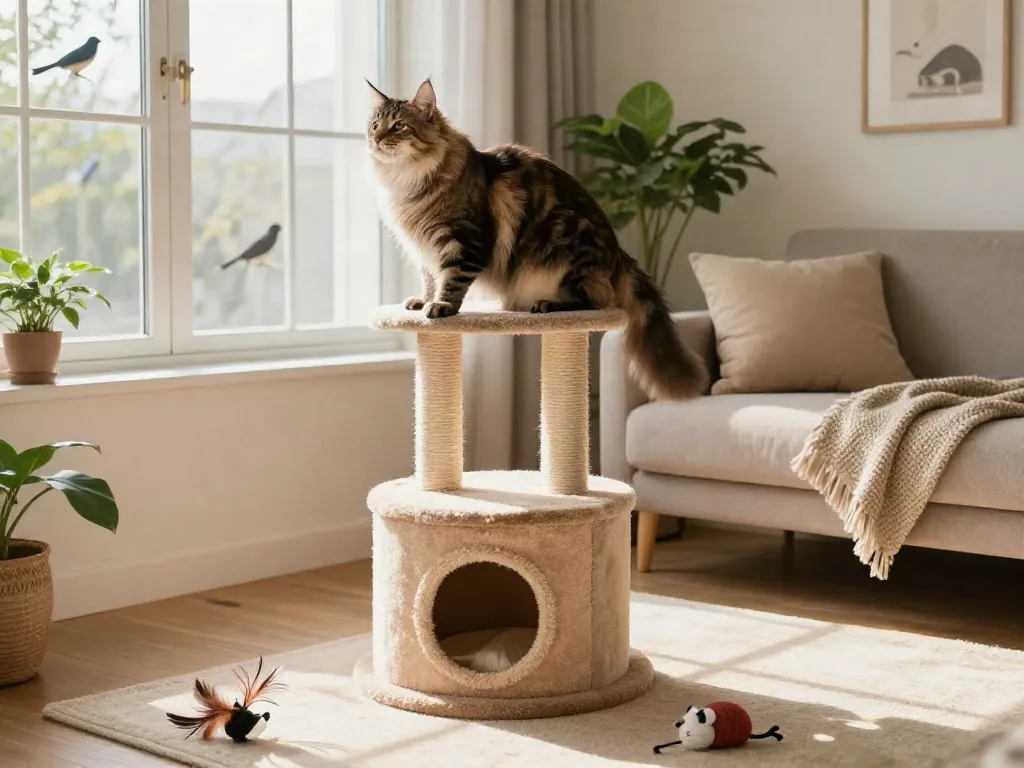
Understanding the Importance of a Cat Tree
For cat owners, creating a stimulating and safe environment for their feline friends is of utmost importance. One of the most effective ways to achieve this is by incorporating a cat tree into your home. These multi-level structures not only provide a space for play and exercise but also satisfy a cat’s natural instincts for climbing, scratching, and exploring.
What is a Cat Tree?
A cat tree, also known as a cat condo or tower, is a piece of furniture designed specifically for cats. It typically consists of several platforms, scratching posts, and hideaways, allowing cats to climb, perch, and scratch in a designated area. Cat trees come in various sizes, styles, and materials, catering to different breeds and household needs.
Benefits of Having a Cat Tree
Investing in a cat tree offers numerous benefits for both cats and their owners:
- Physical Exercise: Cats are natural climbers and jumpers. A cat tree encourages physical activity, helping to maintain a healthy weight and reduce obesity-related health issues.
- Scratching Opportunities: Many cat trees come with built-in scratching posts. This helps deter cats from scratching furniture, carpets, and other household items, preserving your home décor.
- Stress Relief: Vertical space allows cats to escape from stressors and feels safe while observing their surroundings from a height.
- Entertainment: A cat tree provides enrichment through exploration and play, reducing boredom and preventing behavioural issues.
How to Choose the Right Cat Tree
Selecting the right cat tree varies depending on your cat’s personality, size, and your home’s space. Consider the following factors:
- Size: Ensure the tree is appropriate for your cat’s size and activity level. Larger breeds may require sturdier models with larger platforms.
- Material: Look for durable materials that can withstand scratching and climbing. Wood and high-quality upholstery are excellent choices.
- Design: Consider multi-level designs for active cats and those who enjoy climbing. Additionally, trees with hideaways and hammocks can offer comfort and security.
Design Features of Modern Cat Trees
Essential Elements for Cat Comfort
Today’s cat trees are designed with the comfort and needs of cats in mind. Essential features include:
- Soft Bedding: Look for trees with soft pillows or removable cushions that can be washed easily.
- Stable Bases: A wide, sturdy base is crucial to prevent tipping, especially for larger or more energetic cats.
- Multiple Levels: Offering several platforms allows multiple cats to coexist happily and can accommodate different activity levels.
Materials and Durability Considerations
Materials play a significant role in the durability and safety of a cat tree. Opt for products made from:
- Wood: Solid wood cat trees are more durable and stable compared to particle board.
- Sisal Rope: This is the preferred material for scratching posts as it withstands wear and keeps claws healthy.
- Non-toxic Fabrics: Ensure any upholstery used is free from harmful chemicals, making it safe for your pet.
Innovative Designs for Multi-Cat Homes
For homes with multiple cats, it’s essential to choose a tree that fosters interaction without causing conflict. Look for:
- Multiple Perches: More than one perch prevents dominance behaviour and allows all cats to enjoy the tree.
- Hideaways: Enclosed spaces allow cats to retreat when they need alone time, reducing stress.
- Interactive Features: Trees with dangling toys or climbing walls engage cats and keep them mentally stimulated.
Setting Up Your Cat Tree Properly
Choosing the Perfect Location
Placement of the cat tree is vital to ensure it's well-utilised. Consider locations that allow your cat to observe their surroundings, such as near a window. Establish a space that provides both visibility and safety for your feline friend.
Ensuring Stability and Safety
For the safety of your cat, ensure that the tree is stable and appropriately secured. It should not wobble during use – this is especially important for larger or more active cats. Regularly inspect the tree for any wear or damage to maintain its integrity.
Integrating with Home Decor
Choose a design that complements your home’s decor while meeting your cat’s needs. Many modern cat trees come in stylish designs that can blend seamlessly into your living space, enhancing the aesthetic appeal.
Training Your Cats to Use the Cat Tree
Encouraging Exploration and Play
Introducing your cat to their new tree may require some encouragement. Allow them to explore the tree at their own pace. Place treats or toys on the platforms to entice them to climb and investigate.
Using Treats and Toys Effectively
Utilise treats and toys to create a positive association with the cat tree. Reward your cat for using the tree or if they spend time on different levels. This will help reinforce the behaviour and encourage regular use.
Understanding Feline Behaviour
Every cat has a unique personality. Some may take to a cat tree immediately, while others may need time to adjust. Understanding their behavioural cues is essential in providing a supportive training experience.
Maintenance and Care for Your Cat Tree
Cleaning and Hygiene Tips
Regular cleaning of your cat tree is crucial for your cat’s health. Use a vacuum with a brush attachment to remove fur and debris. Spot clean any stains with pet-safe cleaners. Periodically, check and refresh the cushions, if removable.
Regular Inspection for Damage
Inspect the cat tree regularly for any signs of wear and tear, such as frayed ropes or broken components. Addressing these issues promptly ensures your cat’s safety and prolongs the life of the tree.
When to Replace Your Cat Tree
Eventually, all cat trees require replacement. Signs that it’s time to get a new one include excessive wear, instability, or if your cat no longer uses it. A worn-out tree may no longer provide the safety and comfort your cat needs.
What are the best features to look for in a cat tree?
When selecting a cat tree, consider sturdy construction, ample scratching surfaces, various levels for climbing, and cozy resting spaces.
How can I train my cat to use its new cat tree?
Start with placing treats or toys on the tree, and gradually encourage your cat to explore. Positive reinforcement will motivate them to use it regularly.
Are there cat trees suitable for large breeds?
Yes, many brands now offer cat trees designed specifically for larger breeds, ensuring strength and stability to accommodate their unique needs.
What materials are safest for cat trees?
Safe materials include solid wood and non-toxic upholstery fabrics. Ensure that all components are free of harmful chemicals.
How do I maintain my cat tree?
Regularly clean, inspect for damage, and replace any worn parts to keep it in good condition for your cat’s safety.